Storm Damage?
Protect Your Home Now.
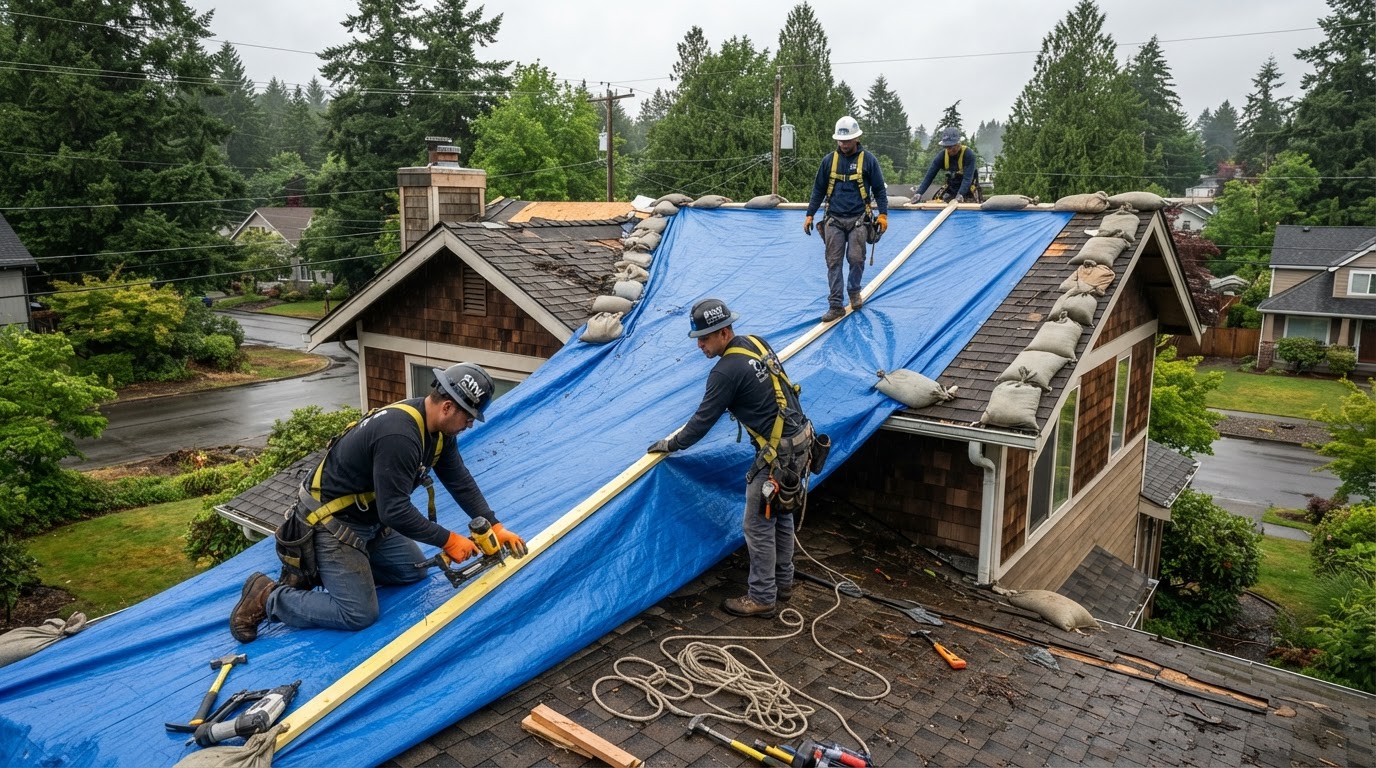
Fast assessment and emergency tarping can help limit additional water intrusion until permanent repairs are completed.
Request Storm Damage Help
Priority Assessment
We respond quickly to evaluate the damage.
Safety First
We follow proven safety practices on every job.
Temporary Protection
Help limit additional water intrusion.
Clear Repair Plan
We explain next steps for permanent repairs.
Stay Off the Roof.
Storm-damaged roofing can be unstable and dangerous. Keep people away from the affected area, move valuables only when safe, and call a roofing professional.
When Emergency Tarping May Be Needed
Severe weather can cause different types of roof damage. Emergency tarping is often needed when you notice:
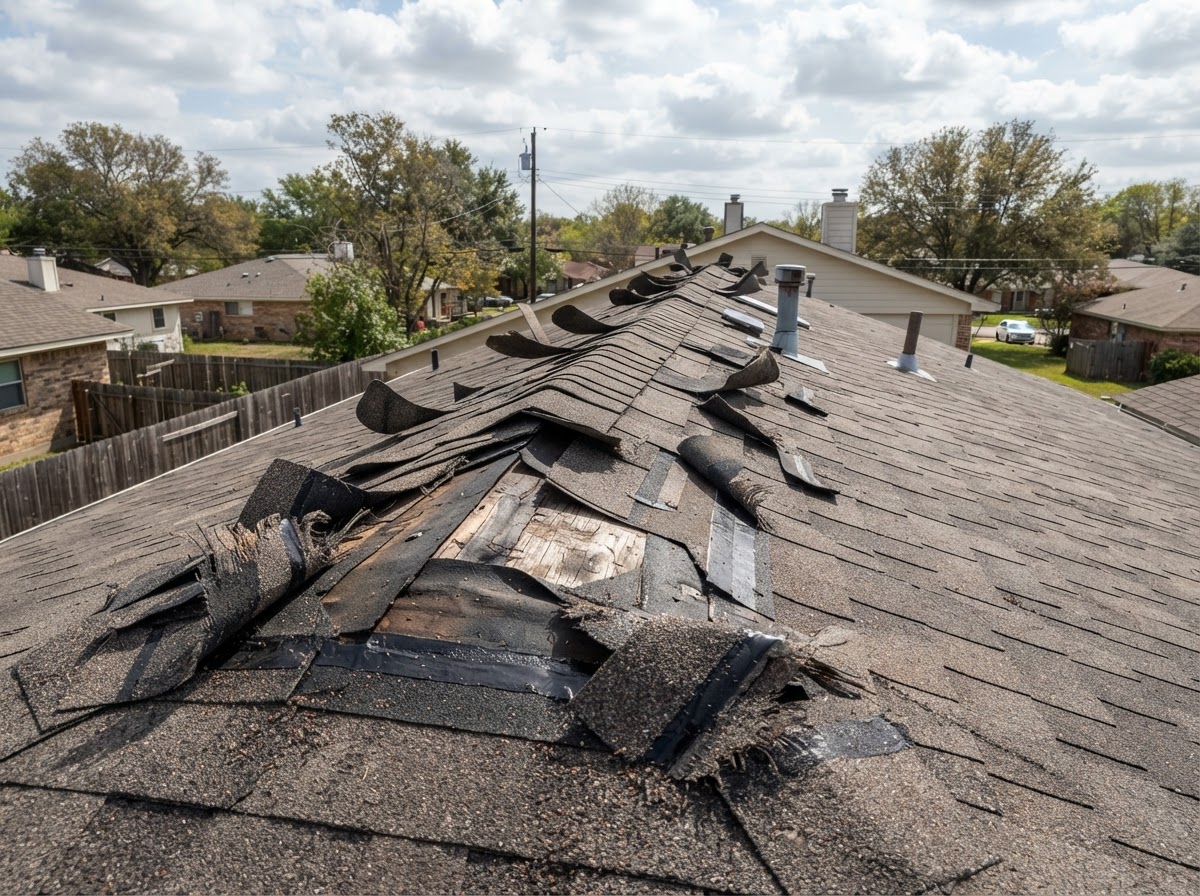
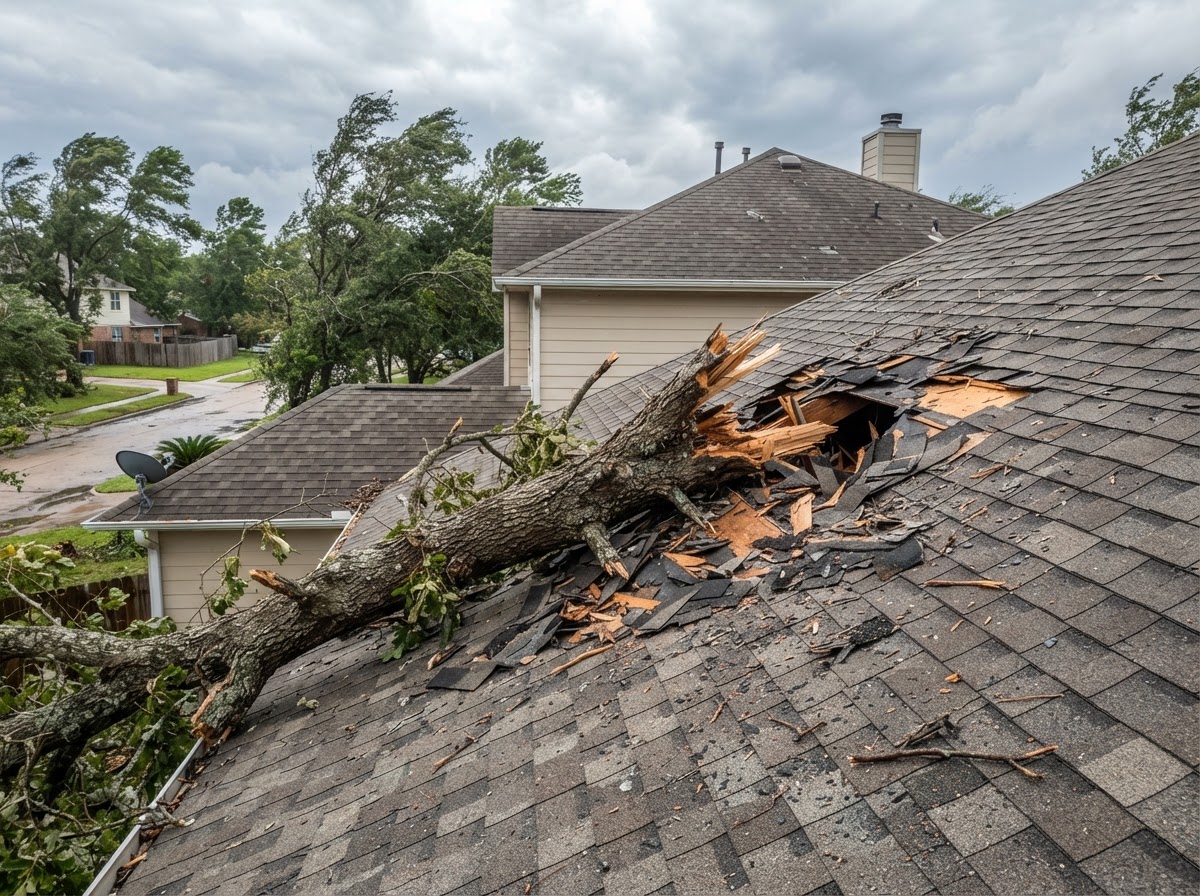
Fallen Tree or Large Branch
Trees or large limbs can damage shingles, flashing, and roof decking.
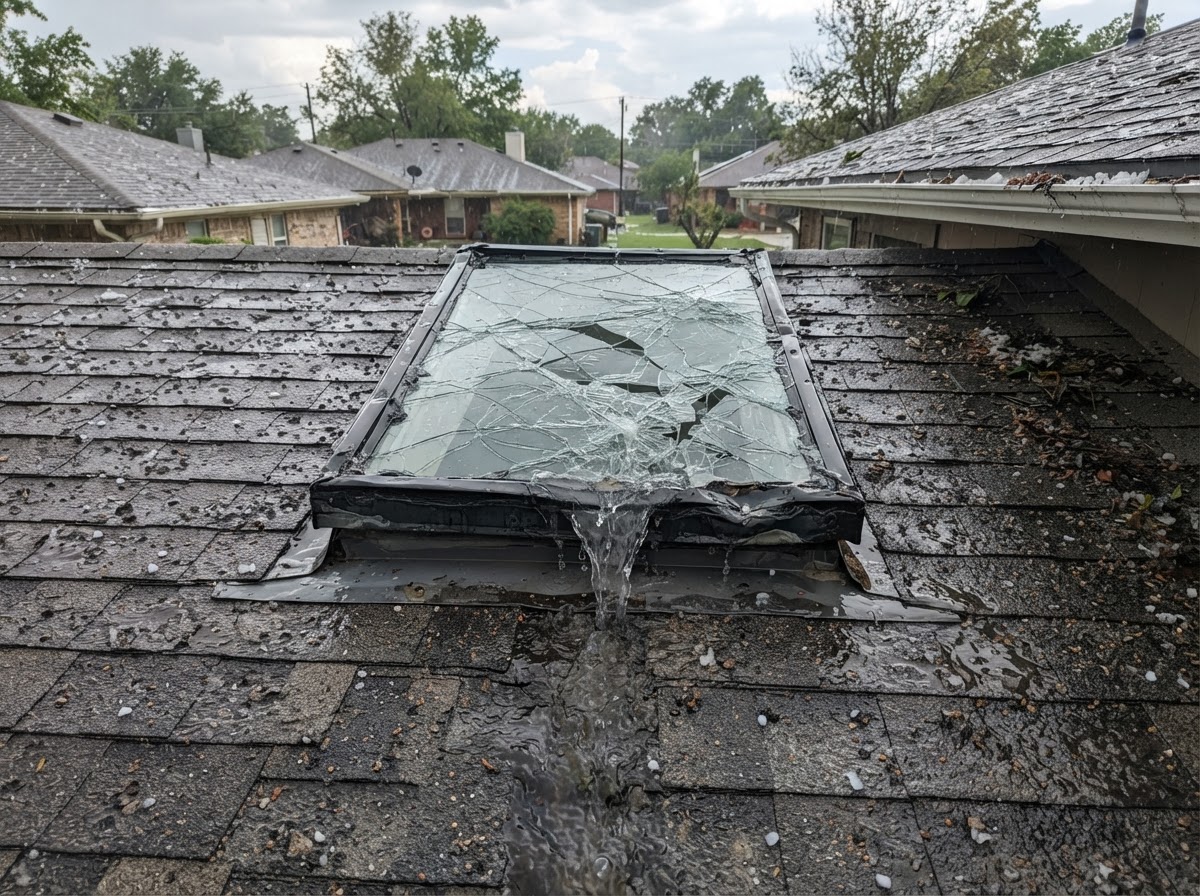
Missing or Torn Shingles
Wind can tear or lift shingles, leaving your roof vulnerable to water.
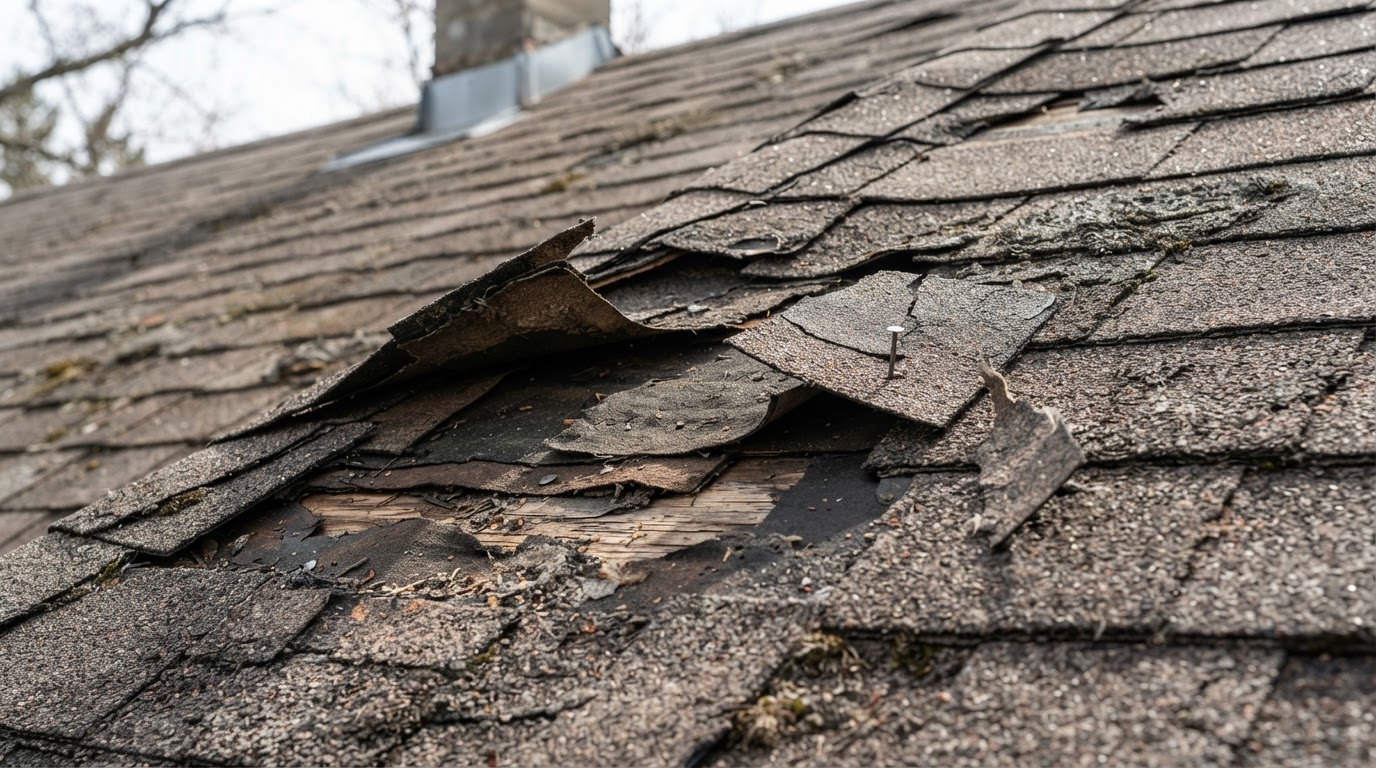
Exposed Roof Decking
When underlayment and shingles are gone, the deck can quickly absorb water.
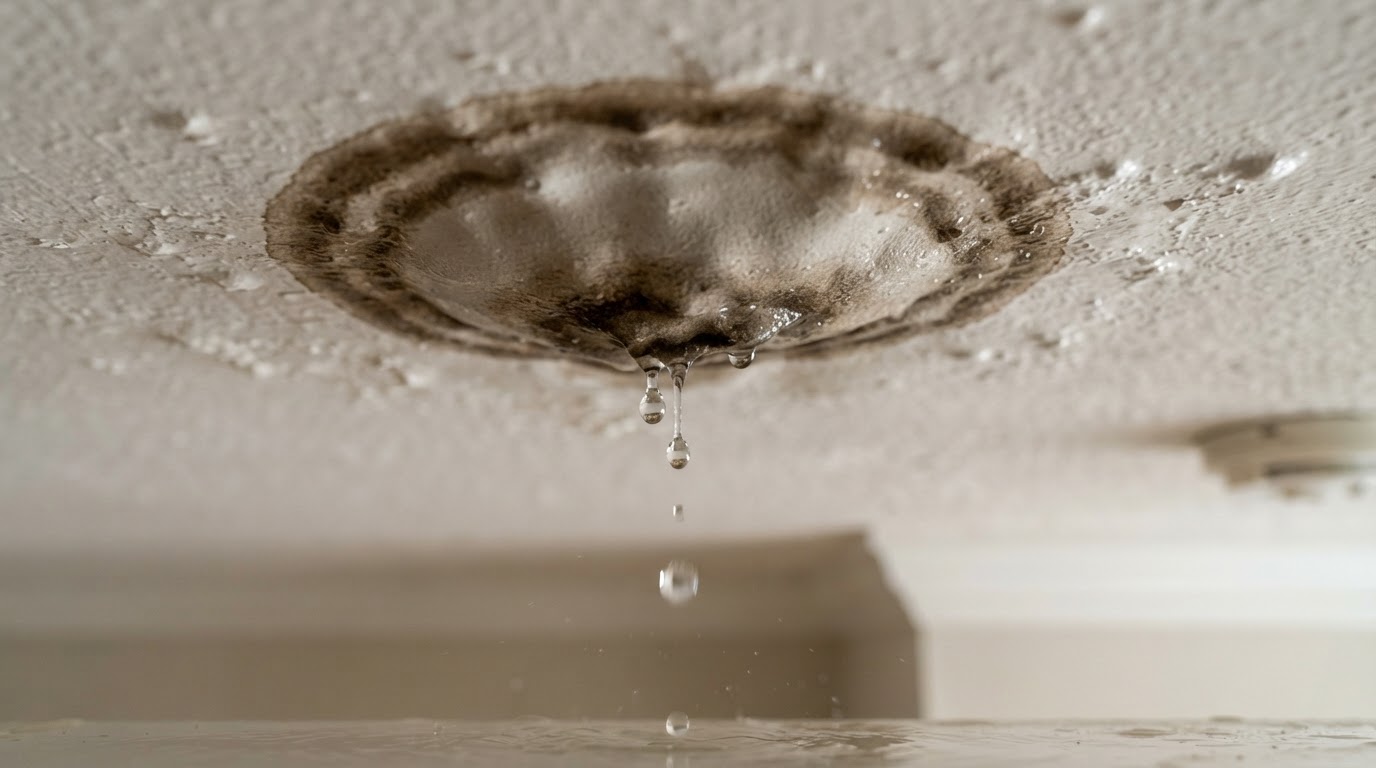
Active Water Intrusion
Signs of water inside your home indicate your roof may have an opening.
Damaged Skylight or Vent
Storms can crack or loosen skylights, vents, and other roof penetrations.
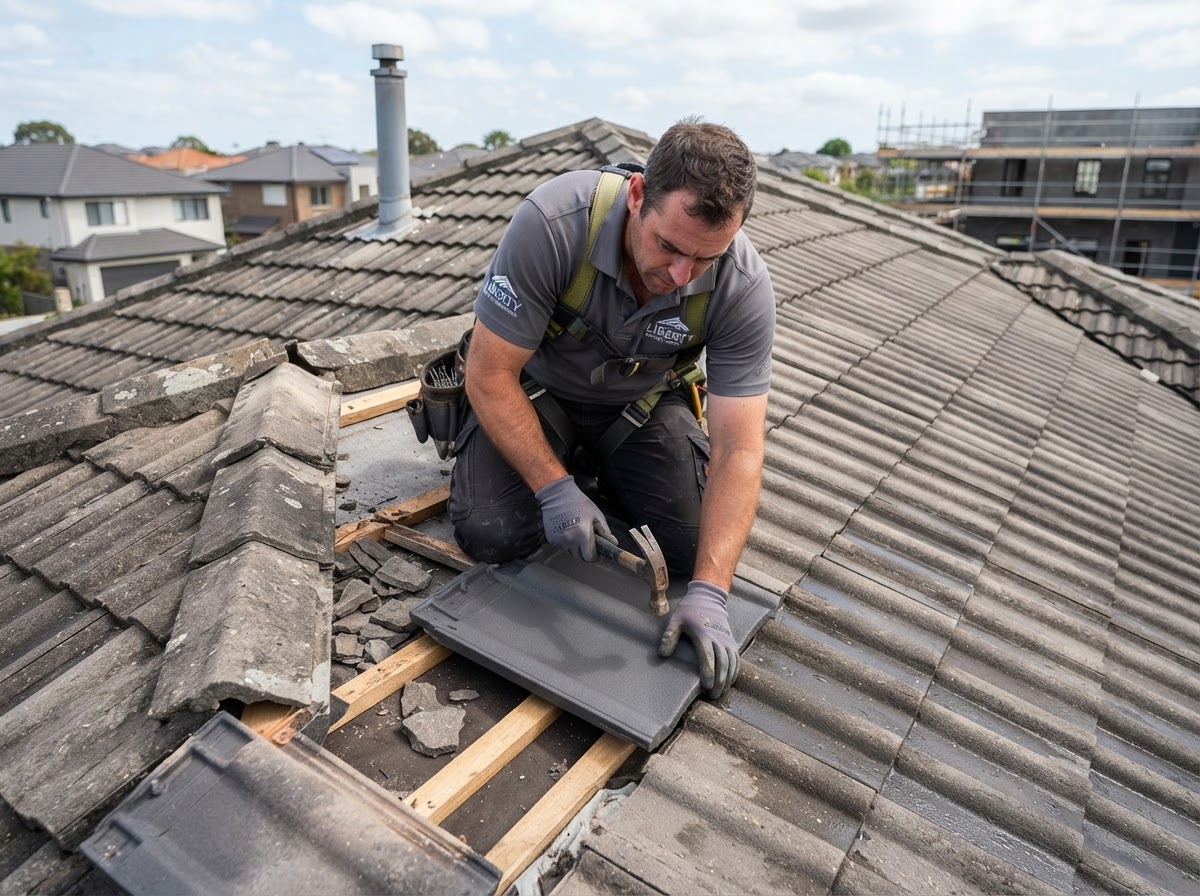
Wind-Lifted Roofing
High winds can lift roofing materials and break seals, allowing rain to enter.
What Emergency Tarping Does
Emergency tarping helps protect your home from further damage while permanent repairs are planned and completed.
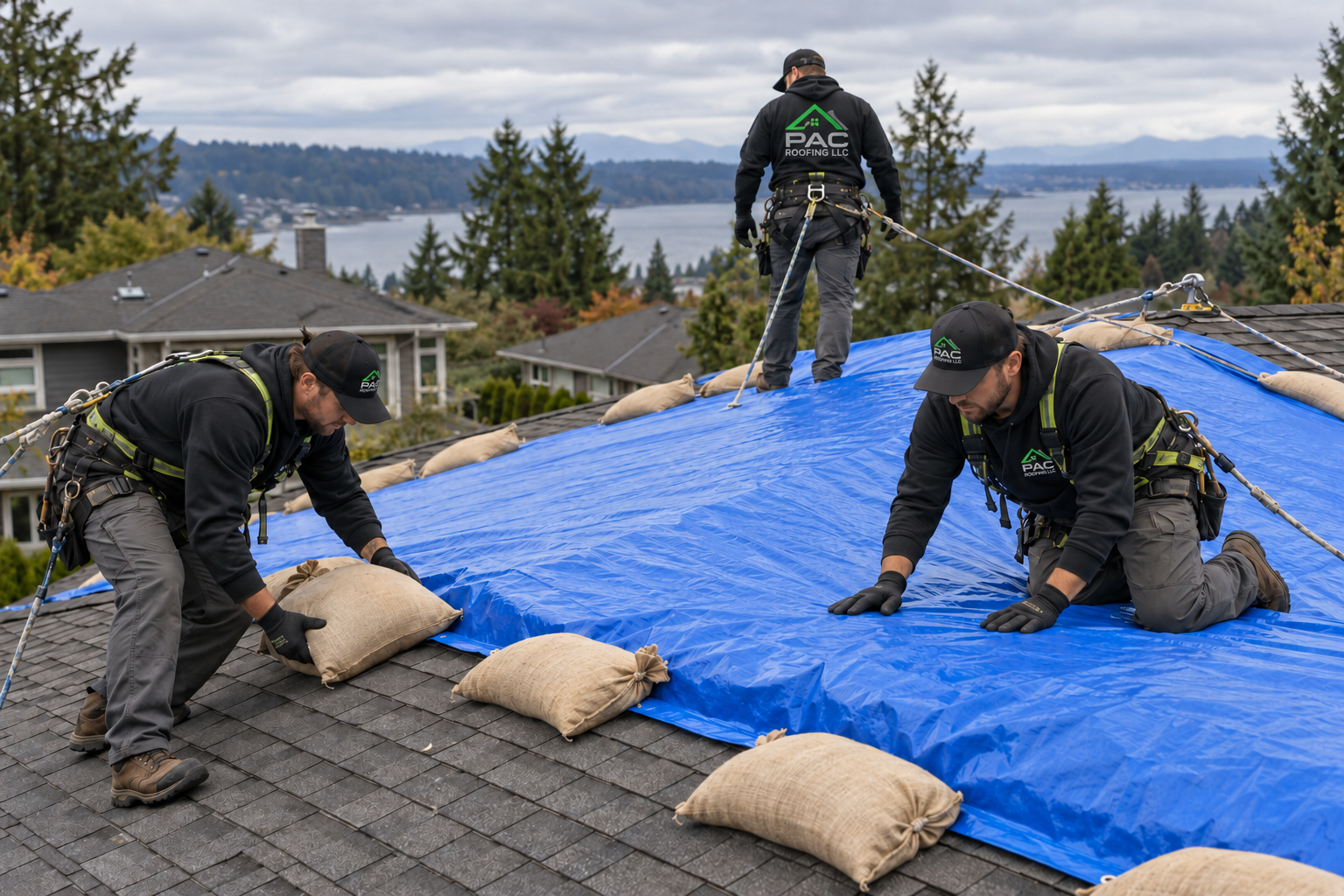
Covers Vulnerable Roof Areas
Tarping shields damaged sections from direct exposure to rain and debris.
Helps Reduce Additional Rain Entry
A properly installed tarp can limit further water intrusion into your home.
Provides Temporary Stabilization
Keeps damaged areas secure until permanent repairs can be completed.
Protects Exposed Decking and Openings
Helps cover exposed wood, underlayment, and roof penetrations.
Creates Time to Define Permanent Repairs
Gives you time to fully assess the damage and plan the right repair solution.
Emergency tarping is temporary protection—not a permanent roof repair.
What to Expect When You Call
A straightforward process to get your home protected and back on track.
Tell Us What Happened
Share what you're seeing and when the damage occurred.
Priority Assessment
We'll schedule a visit to evaluate your roof as soon as possible.
Document Visible Damage
We take photos and notes of the damage we find.
Install Temporary Protection When Appropriate
We tarp vulnerable areas to help prevent additional damage.
Build the Permanent Repair Plan
We explain our findings and outline the next steps for repairs.
Our Storm Response Includes
A complete service to help protect your home and set you up for a successful repair.
Roof Safety Assessment
We evaluate the condition of your roof and identify immediate concerns.
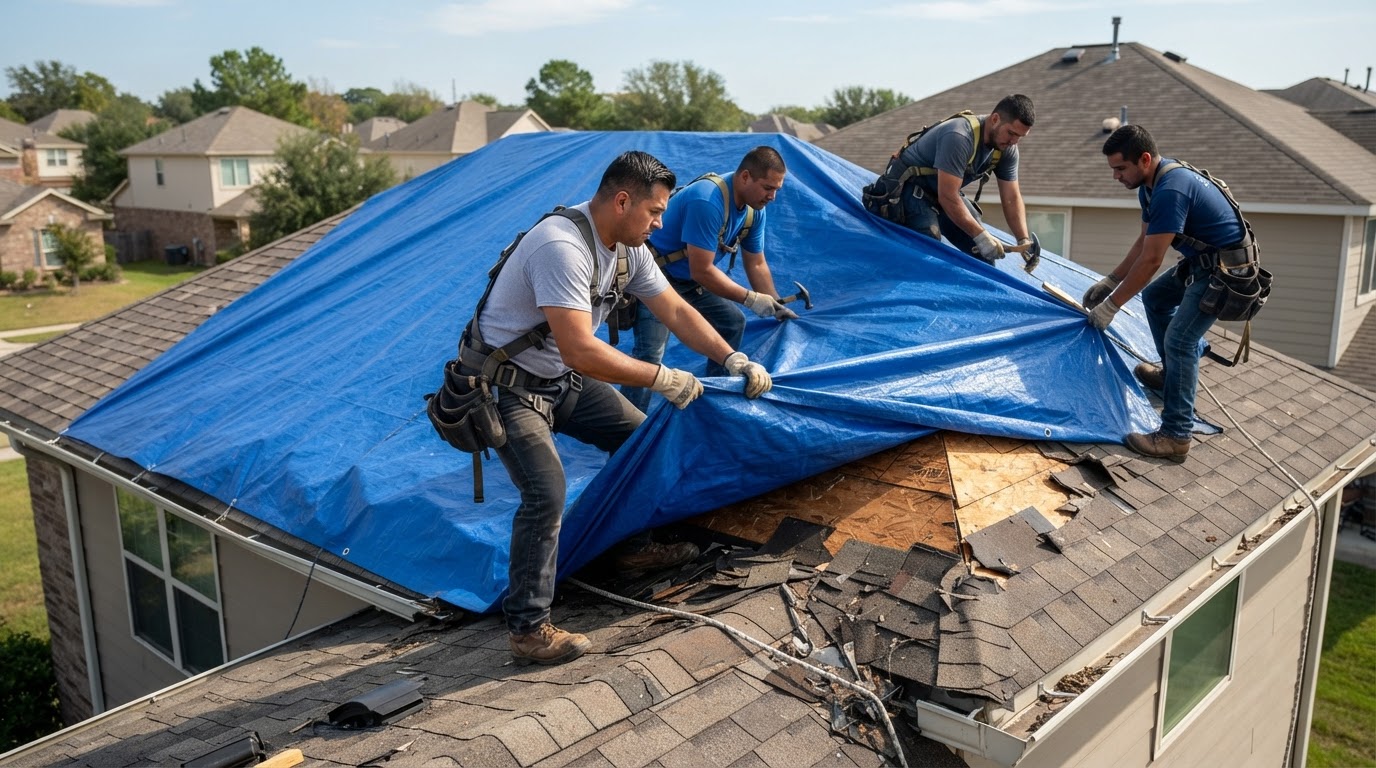
Emergency Tarp Installation
We securely install tarps on damaged areas when appropriate.
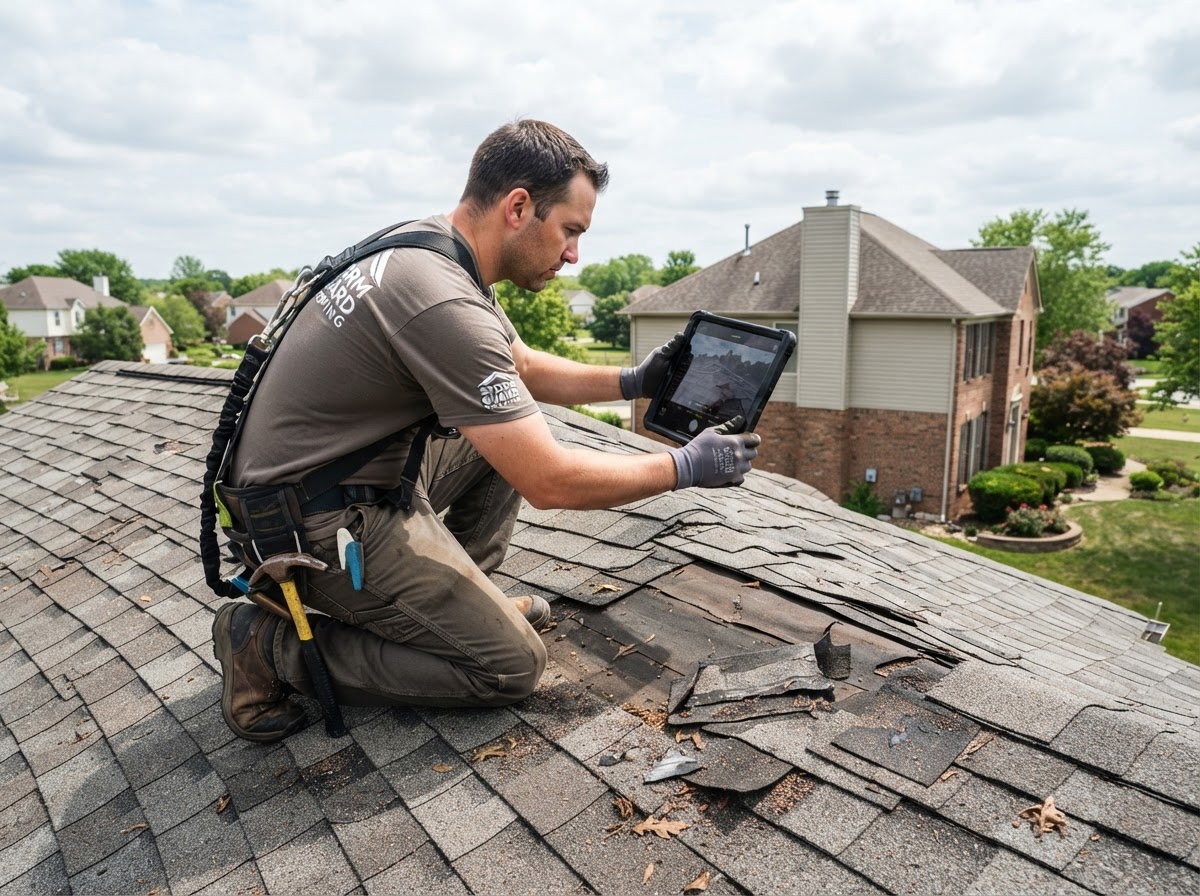
Damage Photos & Documentation
We document visible damage with photos and detailed notes.
Debris-Area Review
We assess fallen limbs and debris around your property that may have caused the damage.
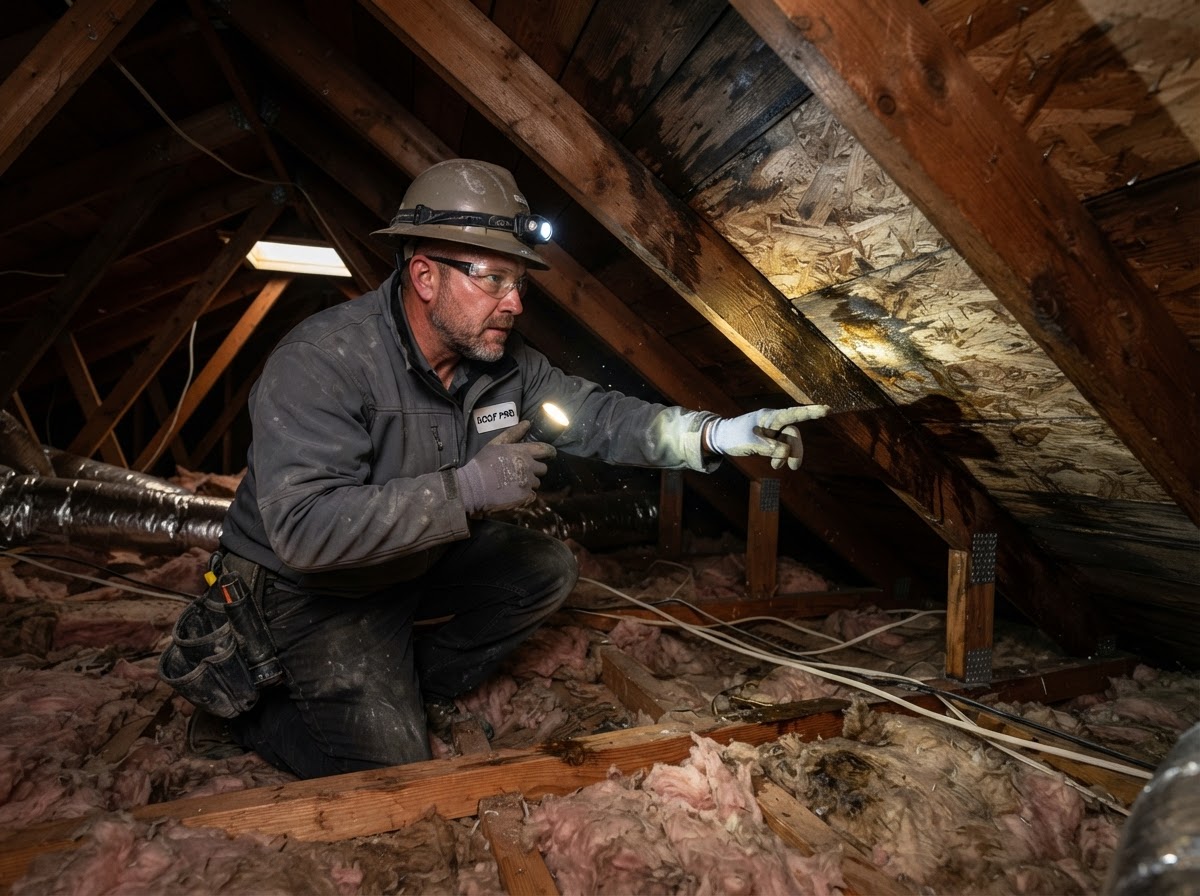
Leak-Entry Evaluation
We look for signs of water intrusion in your attic and interior spaces.
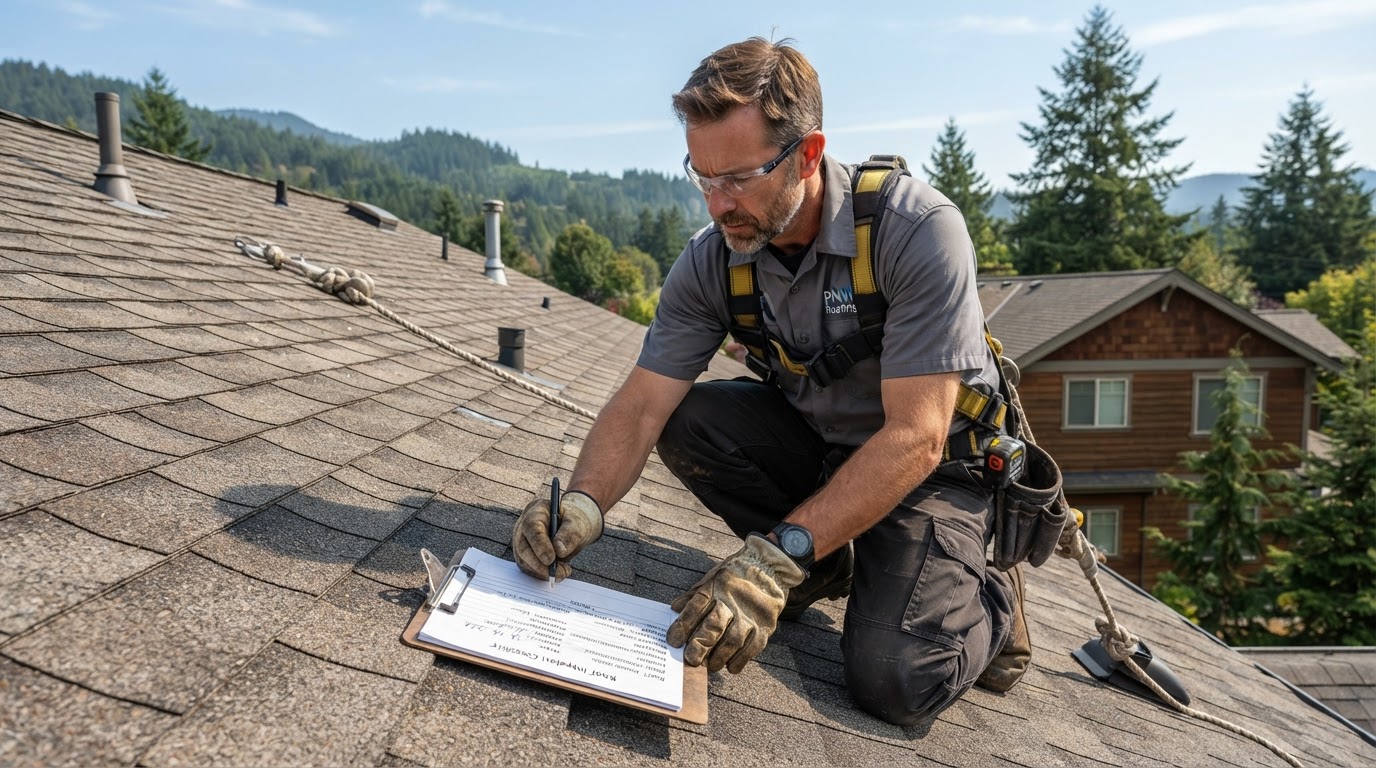
Written Next Steps
We provide a clear summary of our findings and recommended next steps for permanent repairs.
Temporary Stabilization vs. Permanent Repair
Emergency tarping and permanent repairs serve different purposes. Here's how they compare:
Temporary Stabilization
- Reduces immediate exposure to rain and debris
- Secures vulnerable areas
- Helps prevent additional water intrusion
- Weather-dependent
- Short-term measure until permanent repairs
Permanent Repair
- Removes damaged materials
- Restores roof components (shingles, underlayment, flashing)
- Corrects details and sealing
- Returns your roof to full service
- Long-term solution for lasting protection
Documenting Storm Damage
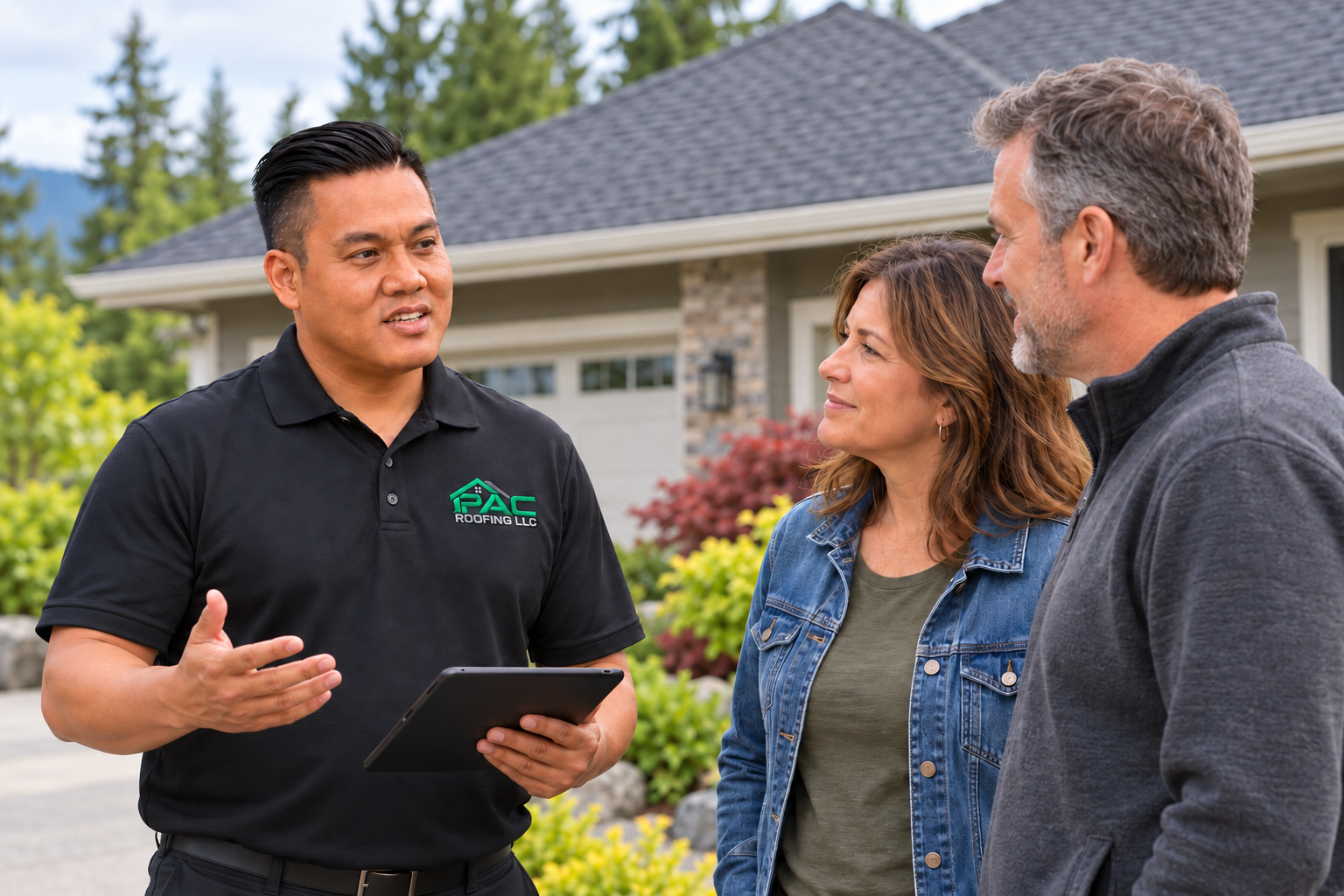
We take detailed photos and notes of the damage we find. This documentation can help you communicate with your insurer about the condition of your roof.
Coverage decisions are made by your insurance carrier. We do not promise coverage or claim approval.
Protecting Your Home Until Help Arrives
Here are a few steps you can take while you wait for our assessment:
- Stay off the roof.
- Place containers under interior drips if safe.
- Move valuables away from water.
- Photograph interior damage.
- Avoid electrical hazards.
- Call emergency services for immediate life-safety hazards (such as downed power lines or severe structural damage).
Our Storm Damage Process
From emergency tarping to permanent repairs, we guide you every step of the way.
Stabilize the Roof
Install temporary tarping when needed.
Inspect the Damage
Complete a thorough roof and property assessment.
Explain Findings
Review what we found and discuss your options.
Approve Scope
Finalize the repair plan and get started.
Complete Repairs
Remove the tarp and complete permanent repairs to restore your roof.
“Doug was recommended by a neighbor and honestly, we were super impressed with Doug, his team, and the quality work they did! He responded quickly to all my questions promptly and his team did a great job from start to finish.”

Frequently Asked Questions
Storm Damage Can Get Worse Quickly.
Call PAC Roofing LLC for a priority assessment and temporary protection plan.