Active Roof Damage? 253-354-8081
Serving Tacoma, Seattle & the Puget Sound
253-354-8081
Buyer Guides•7 min read•Jul 28, 2026

How to Compare Roofing Estimates: What the Numbers Actually Mean

P
PAC Roofing LLC
Lead Field Inspectors
How to Compare Roofing Estimates: What the Numbers Actually Mean
The Short Answer

The lowest roofing estimate is rarely the cheapest roof. To compare estimates honestly, look past the bottom line: confirm the shingle brand and weight, whether synthetic underlayment or felt is included, ice-and-water shield at the eaves and valleys, drip edge, flashing replacement versus reuse, ventilation upgrades, tear-off to bare deck versus overlay, and what the warranty actually covers. A clear, written scope protects you from change orders and shortcuts that cost more later.

Scope
What separates an honest estimate from a low one
Synthetic
Underlayment that outlasts felt in wet climates
Tear-off
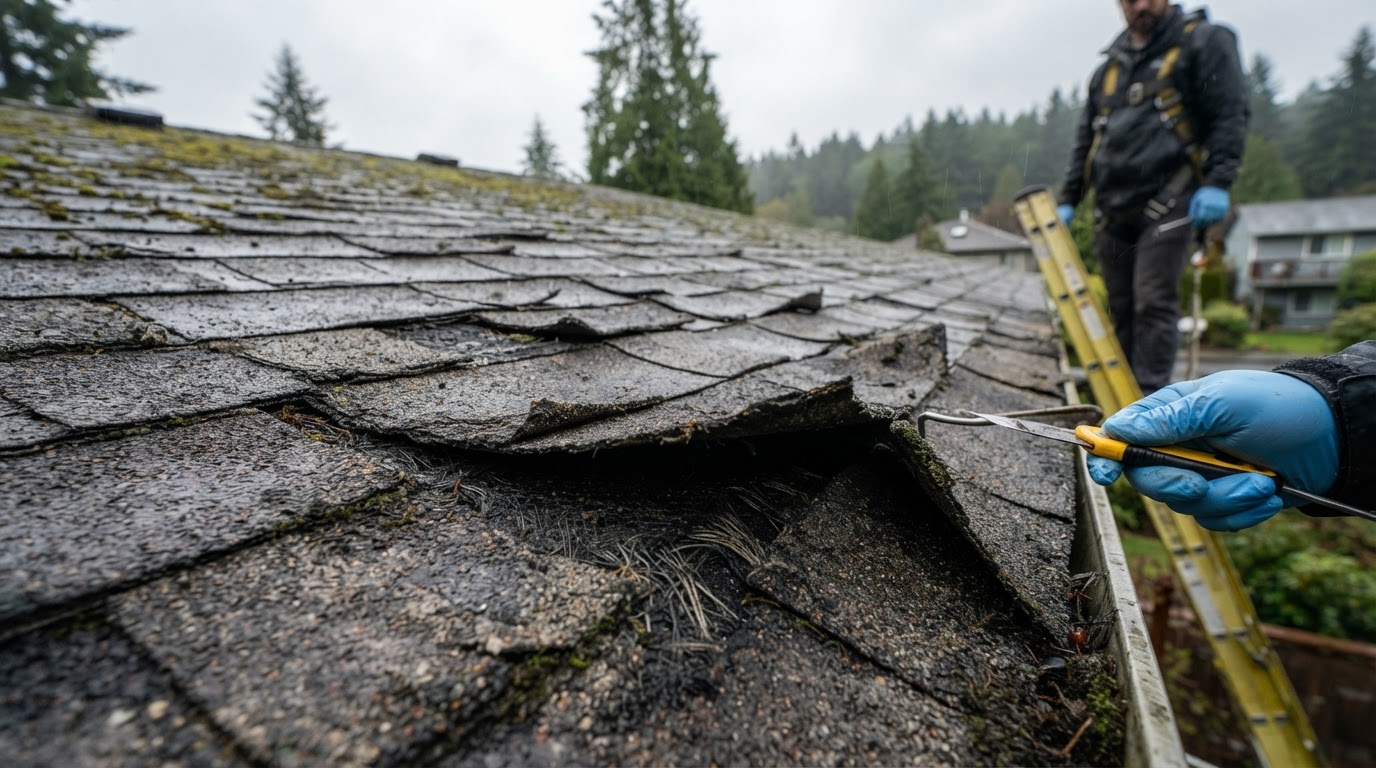
To bare deck reveals hidden damage an overlay hides
Written
Scope protects you from change orders and shortcuts
Key Takeaways for Homeowners
  • The lowest roofing estimate usually reflects a narrower scope — omitted underlayment, reused flashings, or an overlay instead of a tear-off.
  • Compare shingle brand, underlayment, ice-and-water shield, drip edge, flashing, ventilation, and tear-off line by line.
  • A workmanship warranty covers the installation where most leaks originate — ask what it covers and for how long.

Why the Lowest Price Is Rarely the Cheapest Roof

A roofing estimate that comes in thousands lower than the others usually isn't a better deal — it's a narrower scope. The lower number may omit ice-and-water shield, reuse old flashings, skip the drip edge, or overlay new shingles on top of old instead of tearing off to the bare deck.

Each of those shortcuts saves the contractor money upfront but costs you later: leaks at the eaves, premature failure from trapped moisture, and hidden deck rot that an overlay masks until it's a structural problem.

What to Compare Line by Line

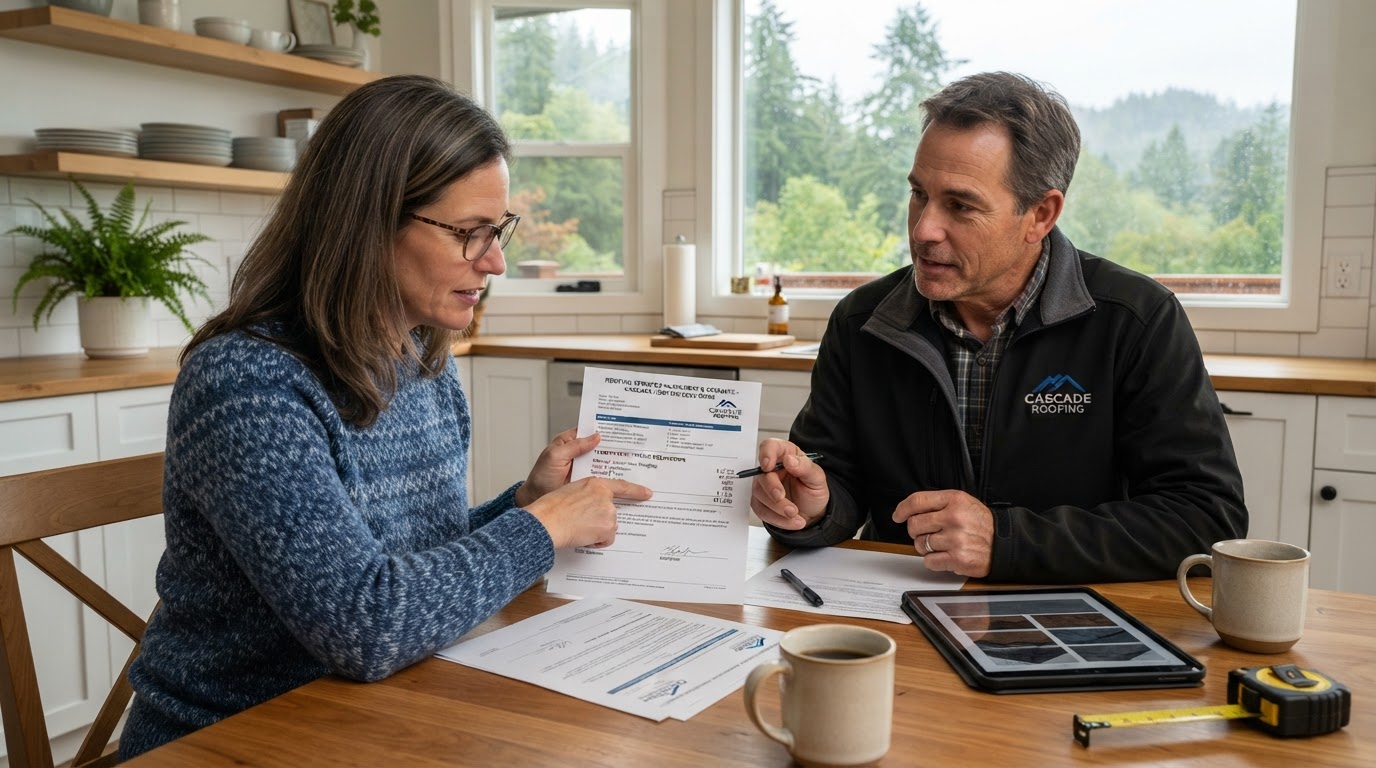
An honest estimate spells out exactly what's included. Here's what to check on every quote:

  • Shingle brand, style, and weight — confirm the specific product, not just 'architectural shingles.'
  • Underlayment — synthetic (preferred in Western Washington) versus traditional felt, which absorbs moisture.
  • Ice-and-water shield — included at the eaves, valleys, and penetrations, not just the minimum felt.
  • Drip edge — metal flashing at the roof edge to direct water into the gutter, not behind the fascia.
  • Flashing — replacement of valley, chimney, and step flashing versus reusing old metal.
  • Ventilation — balanced soffit and ridge ventilation, or just reusing existing.
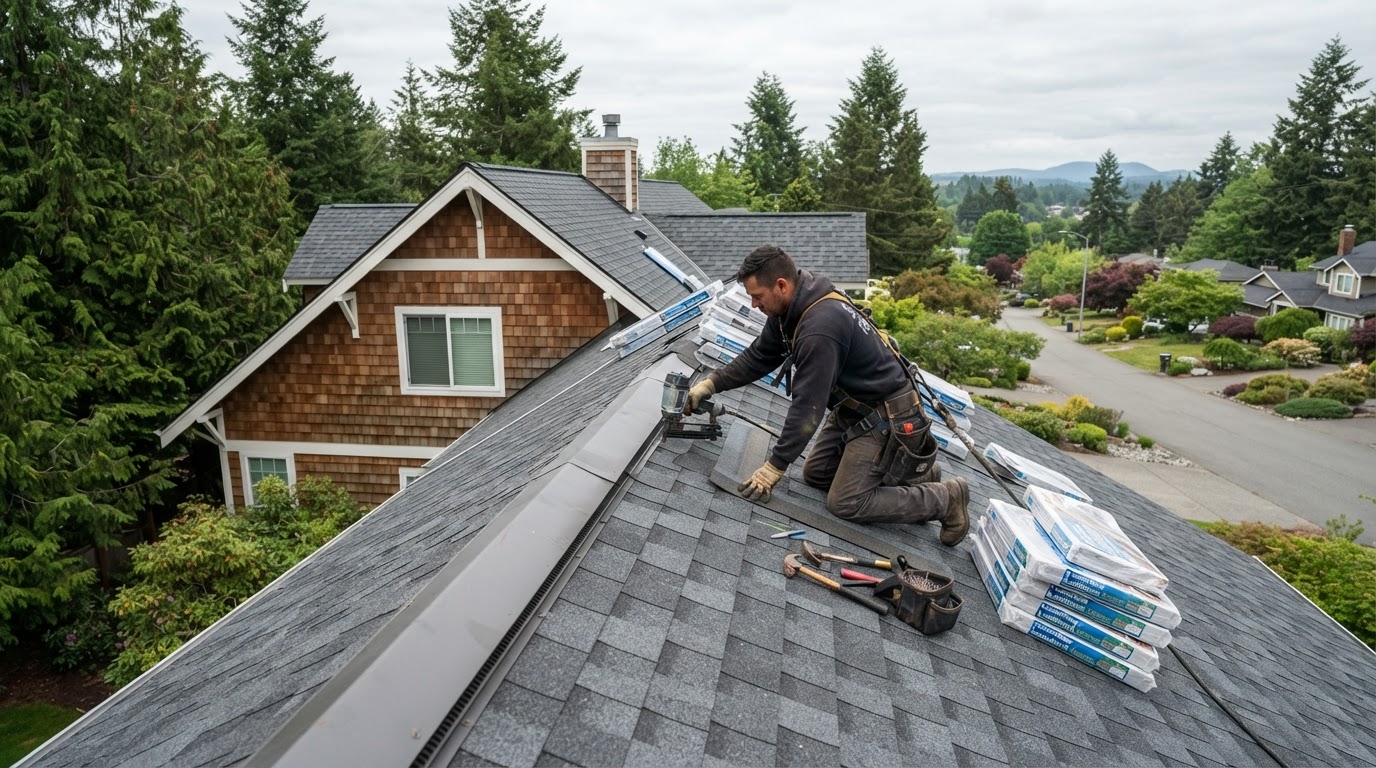
  • Tear-off — removal to the bare deck to inspect and replace any rotted plywood, versus an overlay that hides damage.
  • Cleanup and disposal — haul-away of all old materials and jobsite cleanup included.

Warranty: Manufacturer vs. Workmanship

Two warranties come with a roof, and they cover different things. The manufacturer warranty covers defects in the shingle material itself. The workmanship warranty, from the contractor, covers the installation — and that's where most leaks actually originate.

A long manufacturer warranty means little if the shingles were installed incorrectly. Ask what the workmanship warranty covers, for how long, and whether it's transferable to a new owner. A contractor who stands behind their installation will spell this out in writing.

Red Flags and Green Flags in an Estimate

Red flags: a vague one-line quote, pressure to sign the same day, no mention of underlayment or flashing, an overlay without a deck inspection, or a price far below every other estimate. Green flags: a written, itemized scope; a clear explanation of materials and process; a documented deck inspection plan; and a workmanship warranty spelled out in the contract.

The right contractor wants you to understand the scope and compare it honestly. If an estimate can't survive a side-by-side comparison, that tells you something about the roof you'd actually get.
Frequently Asked Questions

How do I compare roofing estimates fairly?

Compare line by line, not just the bottom line. Check the shingle brand and weight, whether synthetic underlayment or felt is included, ice-and-water shield at the eaves and valleys, drip edge, flashing replacement versus reuse, ventilation upgrades, and tear-off to bare deck versus overlay. The lowest estimate usually has a narrower scope that costs more later.

Why is one roofing estimate much cheaper than the others?

A much lower estimate usually reflects a narrower scope — omitted ice-and-water shield, reused old flashings, no drip edge, or an overlay instead of a tear-off to the bare deck. Each shortcut saves the contractor upfront but causes leaks, premature failure, and hidden deck rot that cost more to fix later.

What is the difference between a manufacturer warranty and a workmanship warranty?

The manufacturer warranty covers defects in the shingle material itself. The workmanship warranty, from the contractor, covers the installation — and that's where most leaks actually originate. A long manufacturer warranty means little if the shingles were installed incorrectly, so ask what the workmanship warranty covers and for how long.

Should I choose a roof tear-off or an overlay?

A tear-off to the bare deck is almost always the better choice. It lets the contractor inspect and replace any rotted plywood, install fresh underlayment and ice-and-water shield, and ensure the new shingles bond to a clean, dry surface. An overlay hides deck damage, traps moisture, and shortens the new roof's lifespan.

Serving Homeowners Across the Puget Sound

PAC Roofing LLC provides the roofing services described in this guide to homeowners in these Pacific Northwest communities:

Have Questions About Your Roof?

Get straightforward recommendations from local roofing pros.

Schedule a free on-site roof inspection anywhere in Puget Sound.

Call Now253-354-8081